
Asian Handicap betting has become a cornerstone of modern sports wagering, particularly in football, offering bettors a unique approach to predicting match outcomes with more balanced odds. Unlike traditional fixed-odds betting, where draws can complicate outcomes, Asian Handicap eliminates the possibility of a draw by assigning goal handicaps to teams. This system levels the playing field between mismatched teams and provides clearer probabilities, making it a preferred method among seasoned bettors. Understanding the fundamentals of Asian Handicap requires an exploration of how these handicaps function, the types of handicaps available, and the strategic implications for betting.
At its core, the Asian Handicap is designed to offset the advantage of the stronger team. For example, if a dominant team faces a weaker opponent, the bookmaker may give the weaker team a +1.5 goal advantage, effectively requiring the stronger team to win by at least two goals for a bet on them to pay out. This mechanism transforms uneven matchups into more enticing betting scenarios, with odds that reflect a more balanced competition. By removing the draw as a possible outcome, bettors can focus on whether a team will overcome the handicap, simplifying decision-making while still challenging predictive skills.
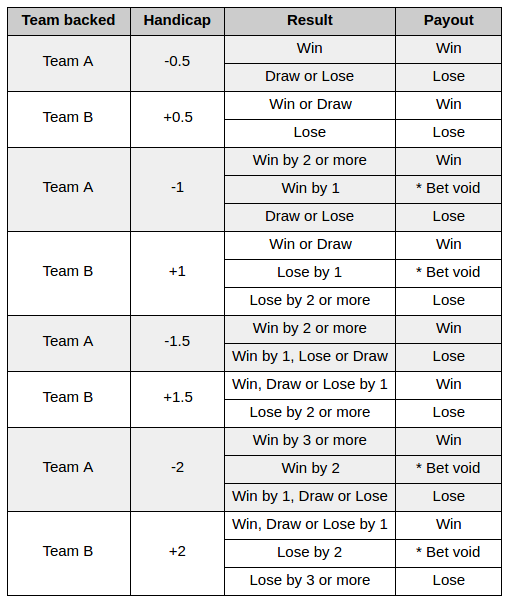
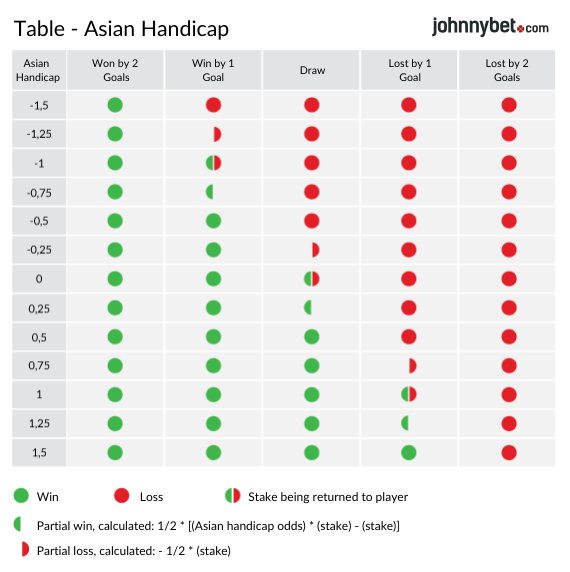
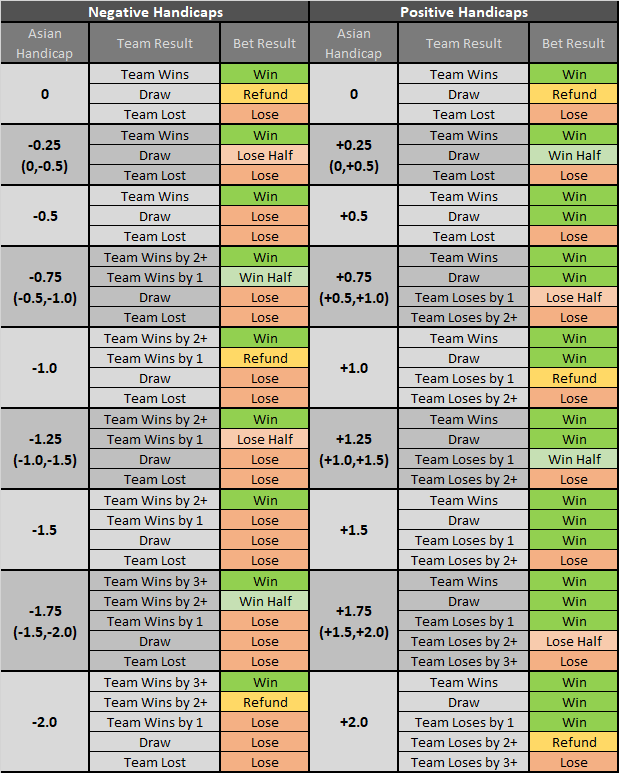
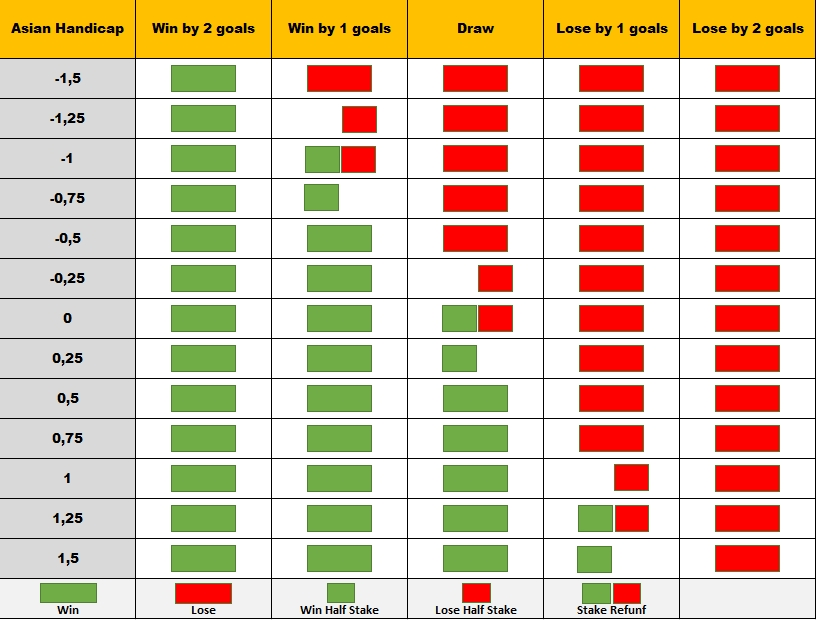
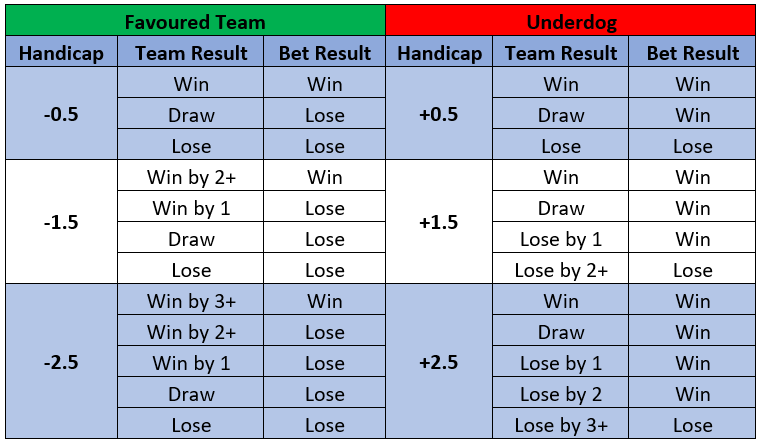
The handicaps are expressed in full, half, and quarter goals. Full-goal handicaps, such as +1 or -2, result in either a win or loss for the bet; the stake is settled according to whether the team surpasses or falls short of the handicap. Half-goal handicaps, like +0.5 or -1.5, eliminate the possibility of a push (a returned stake), meaning the bet either wins or loses outright. Quarter-goal handicaps, such as +0.25 or -0.75, introduce split stakes: half the wager is placed on one handicap and half on another. This nuanced system allows for partial wins or losses, offering bettors more ways to manage risk.
Understanding the implications of these different handicaps is crucial. When betting on a favorite with a -1.5 handicap, the team must win by at least two goals for the bet to succeed, making it riskier but potentially more rewarding. Conversely, betting on the underdog with a +1.5 handicap provides a buffer: the team can win outright, draw, or lose by a single goal, and the wager still pays. Quarter-goal handicaps require careful attention because they introduce scenarios where half the stake can be refunded or partially won, which can affect bankroll management and long-term strategy.
The Asian Handicap also encourages bettors to consider match context more deeply. Factors such as recent form, head-to-head statistics, team morale, injuries, and tactical approaches become more critical when the margin for error is defined by the handicap. In high-stakes leagues or tournaments, where one-goal differences are common, understanding how to interpret handicaps in relation to expected match outcomes can significantly improve betting accuracy. This analytical approach contrasts with casual betting, which might rely on surface-level impressions or team popularity.
Another key aspect is line movement and odds adjustment. Bookmakers continuously update handicaps based on betting volume, injuries, and other real-time factors. A favorite initially set at -1 might shift to -0.75 if market sentiment indicates excessive risk. Observing these movements can provide insight into market perception and potential value. Experienced bettors often use line movement to identify when odds have become favorable relative to their own analysis, allowing strategic timing of bets.
Asian Handicap betting also highlights the importance of risk management. Because outcomes are influenced not only by which team wins but by the margin of victory, a strong understanding of probabilities and expected goal differences is vital. Bettors must assess whether a favorite is likely to surpass the handicap convincingly or if the underdog has enough resilience to stay within the margin. This encourages disciplined betting, as wagers are rarely placed purely on intuition. Bankroll allocation, stake sizing, and consideration of variance are integral to long-term success in Asian Handicap wagering.
Moreover, the system supports different betting strategies, including hedging and combining handicaps with other markets. For instance, a bettor might place a main wager on a favorite with a -1 handicap and simultaneously hedge on the underdog with a +1.5 handicap in a separate market or accumulate stakes across multiple matches using Asian Handicap lines. These strategies leverage the precision of handicaps to reduce exposure while maintaining opportunities for profit, showcasing the flexibility of the Asian Handicap system compared to conventional betting formats.
The psychological dimension of Asian Handicap betting should not be overlooked. Bettors are encouraged to detach from bias toward popular teams and focus on probability-based assessment. Since the handicap can make a strong favorite less attractive in terms of odds, it forces analytical thinking and reduces emotional decision-making. This aspect contributes to the reputation of Asian Handicap as a market favored by professional and semi-professional bettors who prioritize consistency over excitement.
In summary, the fundamentals of Asian Handicap revolve around creating a balanced betting environment, providing a range of handicaps to adjust for team strength, and offering strategic flexibility to manage risk. Understanding how to interpret full, half, and quarter-goal handicaps, observing line movements, assessing match-specific variables, and applying disciplined bankroll management are all essential skills. The system’s ability to remove the draw outcome, level odds between uneven teams, and encourage analytical betting makes it a sophisticated tool for those seeking a more precise and strategic approach to football wagering. Mastery of these fundamentals is not only a gateway to potentially higher returns but also a method of engaging with football betting in a calculated and informed manner, emphasizing probability, context, and controlled risk over mere chance.
Asian Handicap betting, when approached with knowledge and discipline, transforms the betting experience. It shifts focus from mere outcome prediction to margin-based analysis, aligning wagers with expected match dynamics. By leveraging the system’s inherent balance and nuanced handicap options, bettors can pursue a methodology that combines statistical insight with strategic planning. Whether used for single-match wagers, accumulators, or hedged positions, Asian Handicap remains a versatile and sophisticated betting format, rewarding those who embrace its fundamentals with both clarity and opportunity.
This approach ensures that betting decisions are informed, probability-driven, and strategically grounded, making Asian Handicap a powerful tool in the arsenal of anyone serious about football wagering. Its combination of risk management, market awareness, and analytical depth highlights why it has endured as a central component of modern sports betting.
Asian Handicap ultimately exemplifies how betting markets can provide fairness, challenge, and strategic engagement simultaneously, offering a system where knowledge, discipline, and analytical skill are directly rewarded. It turns football wagering into an exercise in calculated probability rather than pure luck, demonstrating the value of understanding the nuances behind the numbers and the significance of match-specific factors in predicting outcomes accurately.
Asian Handicap continues to thrive because it addresses both the gambler’s desire for fairness and the need for strategic depth. Bettors who grasp its fundamentals gain access to a world of betting that emphasizes informed decision-making, mitigated risk, and nuanced assessment of team performance, all within a framework designed to balance opportunity and challenge.

Leave a Reply